CityxGuide was never just another classifieds site. For years, it operated like a digital marketplace where people found local services-some legal, some not. But behind the simple layout and plain text listings was a system that enabled exploitation. By 2024, it had become one of the most notorious platforms tied to human trafficking and illegal sexual services. The site didn’t just host ads-it amplified harm. And when law enforcement finally moved in, the fallout wasn’t just about shutting down a website. It was about confronting a culture that turned human beings into commodities.
Some users still search for things like escort girl in paris, thinking it’s harmless or even normal. But those searches don’t exist in a vacuum. They feed into networks that prey on vulnerable people, often minors or immigrants with no legal protection. The fact that these terms still trend online shows how deeply normalized this exploitation has become. CityxGuide didn’t invent this problem-it just made it easier.
How CityxGuide Grew So Fast
CityxGuide started as a spin-off of another site that got taken down in 2018. It copied the same format: user-submitted ads, no verification, no moderation. That’s what made it attractive to operators. No staff meant no overhead. No rules meant no risk of getting caught. Ads for things like massage sex paris and sex in paris popped up overnight, tagged with location codes and vague descriptions. People thought they were just finding companionship. But behind those posts were traffickers using fake identities, fake photos, and stolen personal data.
The site’s growth wasn’t organic. It was fueled by search engine manipulation. Ads were optimized for keywords people actually typed. When someone Googled "cheap massage near me," CityxGuide’s listings often showed up first. The site didn’t pay for ads-it just exploited how search engines ranked content based on volume and repetition. That’s how it stayed alive for nearly a decade, even after multiple warnings from NGOs and police.
The Takedown: What Really Happened
In early 2024, a coalition of international agencies-led by Europol and the FBI-launched Operation Safe Streets. They didn’t just raid servers. They traced payment flows, tracked IP addresses linked to repeated ads, and interviewed survivors who had escaped the system. One key breakthrough came from a woman in Lyon who had been forced to post under multiple aliases for two years. Her testimony helped identify the main operators, who were living under false identities in Eastern Europe.
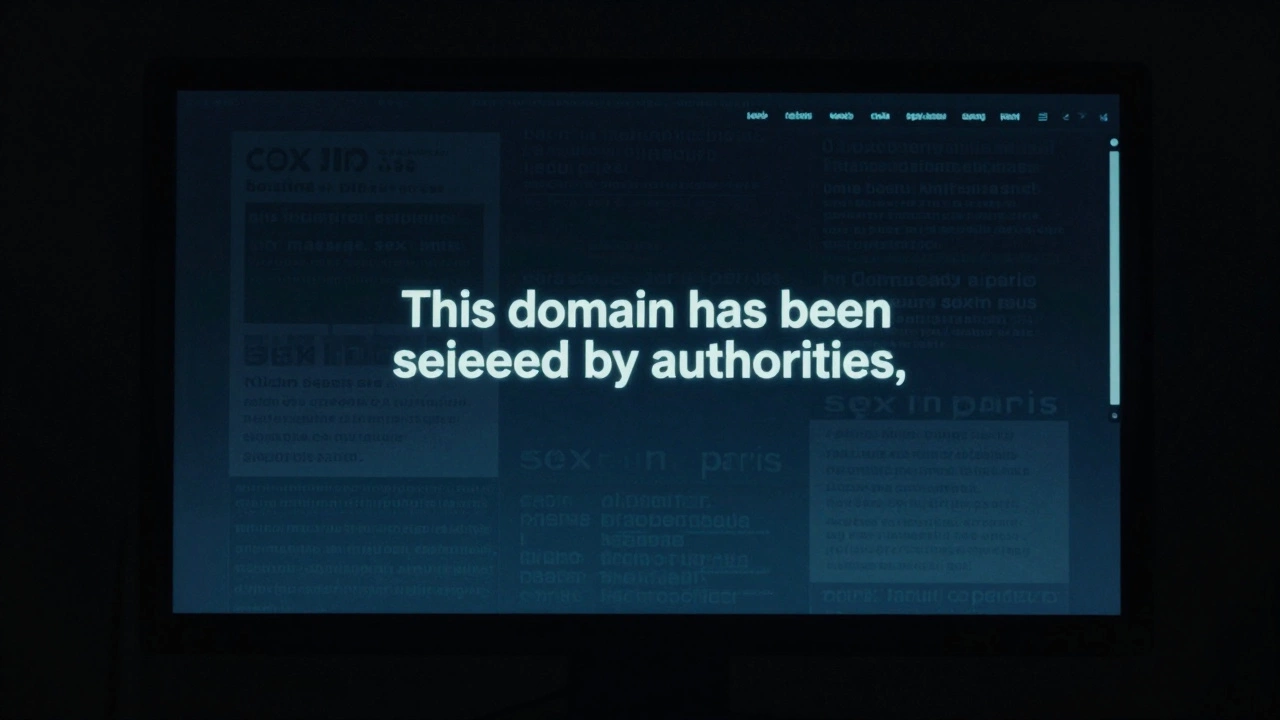
On March 12, 2024, the site went offline. No warning. No notice. Just a blank page with a single line: "This domain has been seized by authorities." The domain was transferred to the U.S. Department of Justice. Over 300,000 ads were archived. More than 120 individuals were charged across seven countries. But the real win? The survivors got access to legal aid, housing, and trauma counseling-something most trafficking victims never get.
Why It’s Still a Problem
Shutting down CityxGuide didn’t end the trade. It just pushed it underground. New sites popped up within weeks, using encrypted messaging apps and Telegram channels. The ads look different now-no flashy banners, no obvious keywords. But they’re still there. You’ll find them in hidden forums, in private groups, or disguised as "tourist guides" or "language exchange partners." The same people are still running them. The same vulnerable women are still being targeted.
And the demand hasn’t gone away. People still search for massage sex paris because they think it’s safe, or consensual, or just "not their problem." But every search adds to the market. Every click tells traffickers there’s money to be made. And as long as that’s true, new platforms will rise to replace the old ones.

What You Can Do to Help
You don’t need to be a detective or a cop to make a difference. Here’s what actually works:
- Don’t search for these terms. If you’re curious, don’t Google it. Type "human trafficking help" instead. You’ll find real organizations that need support.
- Report suspicious ads. If you see something that feels off-low-quality photos, vague locations, repeated phrases-report it to the platform. Most social media sites have a reporting tool. Even if it feels pointless, it adds to the data that law enforcement uses.
- Support survivor-led organizations. Groups like Polaris, La Strada, and the Global Alliance Against Traffic in Women don’t just offer shelter. They train survivors to become advocates. Donating even $10 helps fund hotlines and legal aid.
- Talk about it. Not in shock or disgust. But calmly. Tell your friends why this isn’t a "seedy side of the internet"-it’s a crime. Normalize the idea that paying for sex with someone who’s trapped is not a victimless act.
What Happens When You Speak Up
In 2023, a college student in Toronto noticed a pattern in ads posted on a campus forum. The same phone number kept appearing under different names. She reported it to her campus security. They didn’t take it seriously-until she shared it with a local anti-trafficking group. That led to a full investigation. Two people were arrested. Three women were rescued.
It didn’t take a hero. It took someone who refused to look away.

Where to Find Real Help
If you or someone you know is in danger, here are verified resources:
- Global Hotline: +1-888-373-7888 (U.S. and international)
- Europol’s Tip Line: https://www.europol.europa.eu/report-a-crime
- International Organization for Migration: Offers shelter and legal aid in over 40 countries
These aren’t websites that profit from your pain. They’re lifelines.
Final Thought
Cities like Paris, Berlin, and London didn’t become hubs for this trade because of tourists. They became hubs because of silence. Because people thought it was someone else’s problem. Because they believed the internet made it invisible.
It’s not invisible anymore. And you don’t have to be perfect to help. Just be present. Just be willing to learn. Just be willing to say: this isn’t okay.