Paris isn’t just about the Eiffel Tower, croissants, and street artists. Beneath its romantic surface lies a complex social layer that many visitors never see - and never understand. The idea of escort girls in Paris often gets reduced to clichés: luxury cars, high heels, and expensive dinners. But that’s not the whole story. For many women working in this space, it’s about autonomy, choice, and navigating a world that both glamorizes and stigmatizes them. The truth is more human, more messy, and more real than any movie or travel blog lets on.
Some people turn to escort aris because they’re curious about the city’s hidden rhythms. Others come looking for connection, not just companionship. The line between transaction and intimacy isn’t always clear - and that’s intentional. These relationships aren’t about power imbalances alone; they’re often built on mutual respect, shared interests, and quiet understanding. A woman who works as an escort in Paris might spend her afternoon discussing philosophy with a client, then go to a jazz club with him later. She’s not just a service provider - she’s a cultural bridge.
Why Paris? The City That Attracts More Than Tourists
Paris has always drawn people who want to live differently. It’s a city where art, freedom, and individuality are celebrated - even if those values aren’t always legal. Unlike places where sex work is criminalized or hidden behind closed doors, Paris has a long history of tolerance. The city doesn’t officially endorse escort work, but it also doesn’t aggressively police it. This gray zone gives women space to operate on their own terms.
Many escort girls in Paris are educated, multilingual, and financially independent. Some have degrees in literature, fashion, or international relations. Others are artists, dancers, or writers who use escorting as a flexible way to fund their creative work. It’s not a fallback job - it’s a lifestyle choice. And unlike in places where clients are anonymous strangers, many in Paris build recurring relationships. Trust matters. Reputation matters. Word of mouth is everything.
The Reality Behind the Glossy Images
Scroll through Instagram and you’ll see perfectly lit photos of women in designer dresses, sipping champagne on balconies with views of the Seine. Those images are real - but they’re curated. What you don’t see is the paperwork, the safety checks, the late-night calls from clients canceling at the last minute, or the emotional labor of pretending to be interested in someone’s life story when you’re exhausted.
One woman, who asked to be called Claire, told me she spends two hours every morning checking client references, reviewing contracts, and updating her calendar. She uses a private app to screen people before agreeing to meet. She never goes to a client’s home unless she’s brought a friend along. She doesn’t drink alcohol during meetings. She carries a panic button. These aren’t dramatic precautions - they’re basic survival skills.
The myth that all escort girls in Paris are young and desperate is just that - a myth. The average age of women working in this field here is 31. Many have children. Some are single mothers. Others are in long-term relationships. Their reasons vary: medical bills, tuition, travel dreams, or simply the freedom to set their own hours. There’s no single profile. There’s no one story.
Escort Pairs and the Rise of Shared Experiences
These days, more clients are asking for escort pairs - not because they want a threesome, but because they want a richer experience. Two women, one man. Or two women together, meeting a client who values conversation over physical contact. It’s becoming a trend among older, more thoughtful clients who see these encounters as cultural exchanges, not just sexual services.
Some escort pairs are friends who work together. Others are professional collaborators who meet for the first time before a booking. They plan outfits, topics of conversation, and even meals in advance. One pair I spoke with told me they once hosted a client who was writing a book about Parisian nightlife. They spent six hours walking him through Montmartre, explaining the history of cabarets, and introducing him to a blind jazz pianist in a basement bar. He paid them €800 for the night. He didn’t ask for sex. He asked for authenticity.
This shift is changing the industry. It’s moving away from transactional encounters and toward curated experiences. Clients are paying for access - to culture, to language, to perspective. The women are no longer just bodies. They’re guides.

The Language of Discretion
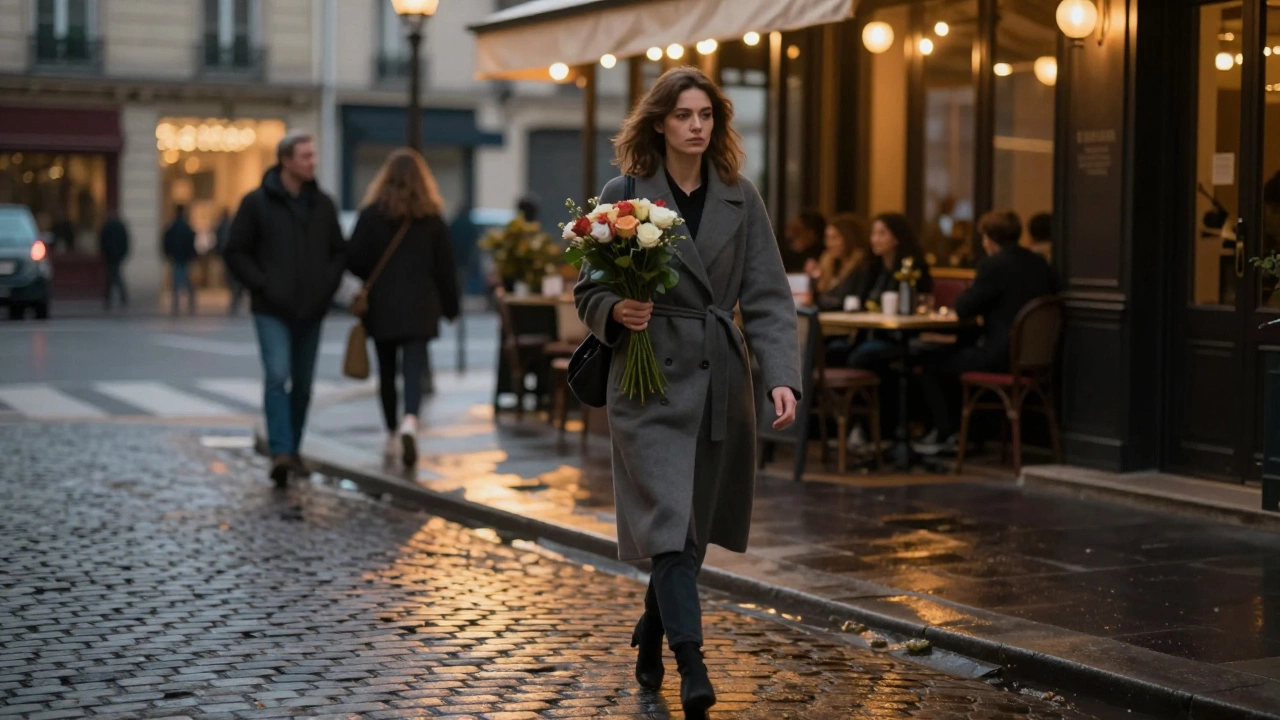
Parisians don’t talk openly about escorting in public. But everyone knows. You hear it in whispers at cafés. You see it in the way a woman in a tailored coat walks into a hotel on Rue de la Paix and leaves two hours later with a small bouquet of roses. No one stares. No one comments. That’s the Parisian way.
Discretion isn’t just polite - it’s necessary. Many women use pseudonyms. They avoid social media. They never use their real names in bookings. They don’t take photos with clients. They don’t post about their work. Even their bank accounts are separate from their personal ones. This isn’t secrecy out of shame - it’s strategy. It’s how they protect their families, their reputations, their futures.
One woman, who worked under the name Léa, said she once had a client who was a professor at the Sorbonne. He never mentioned his job. She never asked. They talked about Baudelaire and the weather. After three meetings, he left her a copy of his latest book, inscribed: “For Léa - the most honest voice in this city.” She still keeps it on her shelf.
Escort Pariq and the Misunderstood Term
Some clients search for “escort pariq” online, thinking it’s a brand or a specific service. It’s not. It’s a misspelling - likely from someone typing too fast on their phone or copying a link from a sketchy site. But the term keeps popping up in search results, and that’s a problem. It pulls in people who don’t understand the context. It brings in tourists looking for quick thrills, not meaningful encounters.
That’s why many women in Paris avoid advertising online at all. They rely on referrals, word-of-mouth, and trusted agencies that vet clients thoroughly. The ones who do use websites make sure their profiles focus on personality, not appearance. They list hobbies. They mention languages they speak. They describe the kind of evening they’d like to have - a quiet dinner, a museum tour, a walk in the Luxembourg Gardens.
It’s not about selling sex. It’s about selling presence.

What Happens After the Booking Ends?
There’s no dramatic exit. No cash exchange in a dark alley. No dramatic goodbye. Most meetings end with a simple thank you. Sometimes a hug. Sometimes a text the next day: “Thanks again. The wine you recommended was perfect.”
Some women keep in touch with clients for years. One client sent a woman a Christmas card every year for seven years - always with a different book inside. Another sent her tickets to a ballet performance in Lyon. She went alone. She said it was the most beautiful thing she’d seen in years.
These aren’t one-night stands. They’re quiet, unspoken connections. And in a city that’s often cold and impersonal, that matters more than people realize.
Changing Perceptions, One Conversation at a Time
The stigma around escort girls in Paris is fading - slowly. Younger generations are more open. They see these women not as victims or villains, but as individuals making choices in a world that rarely gives them many. Podcasts, documentaries, and even art exhibitions are starting to tell their stories - not as sensationalism, but as human experience.
There’s still a long way to go. Laws haven’t changed. Public opinion is still divided. But the women themselves? They’re not waiting for permission to be seen. They’re already being seen - by those who know how to look.